Best Solar Battery Backup Systems for U.S. Homes in 2026
As solar energy becomes increasingly popular in the United States, homeowners are realising that solar panels alone are not always enough. Solar production depends on sunlight, which is not constant. Cloudy days, nighttime, and power outages can leave homes without energy.
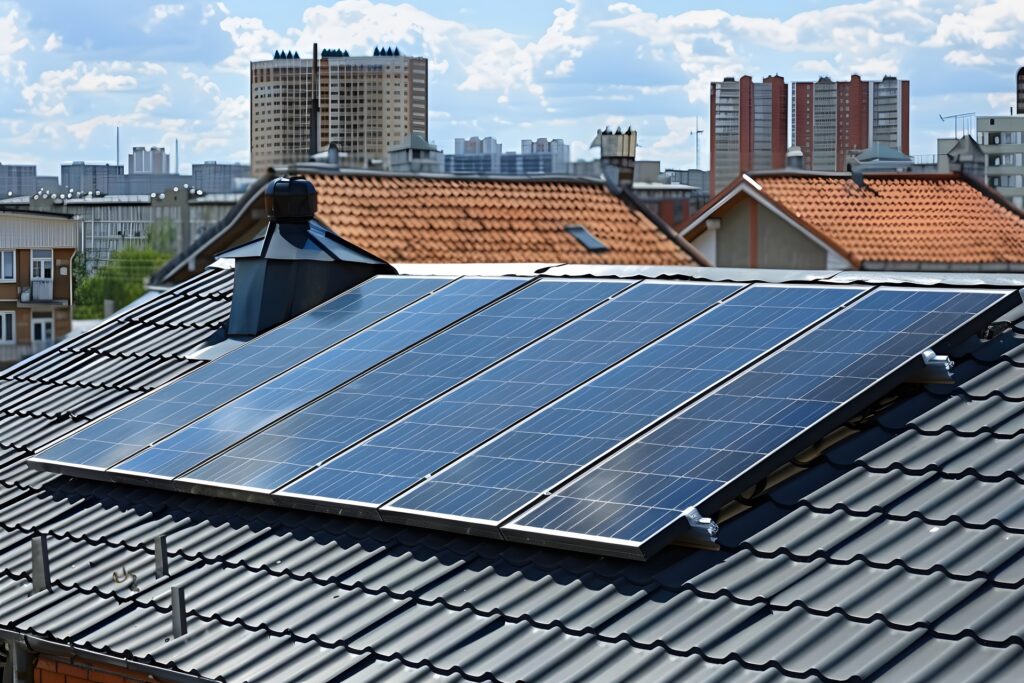
This is where solar battery backup systems come in. Solar batteries store excess energy generated during the day for use later, providing reliability, energy independence, and cost savings. In this guide, we’ll cover everything you need to know about solar battery backups, including types, sizing, costs, installation, and maintenance.
Why You Need a Solar Battery Backup
A solar battery backup offers several advantages for U.S. homeowners:
1. Power During Outages
- Grid-tied solar systems typically shut off during outages for safety reasons.
- A battery backup allows critical appliances (fridge, lights, medical devices) to run even when the grid is down.
2. Energy Independence
- Reduce reliance on utility companies and rising electricity prices.
- Store excess solar energy during the day and use it at night.
3. Peak Demand Savings
- Some electricity providers charge higher rates during peak hours.
- Using stored energy during peak times can reduce electricity bills.
4. Environmental Benefits
- Solar battery systems maximize the use of clean energy and minimize reliance on fossil fuels.
How Solar Battery Backups Work
Solar battery systems integrate with your existing solar setup:
- Solar Panels Generate Energy: Sunlight is converted into electricity.
- Excess Energy Stored in Battery: Energy not immediately used in your home is sent to the battery.
- Power Home When Needed: The battery releases stored electricity during nighttime, cloudy days, or outages.
- Grid Interaction: In hybrid systems, excess power can also be sent back to the grid (net metering).
Example: A typical U.S. small home solar system (5 kW) paired with a 10 kWh battery can power essential appliances for 6–8 hours during an outage.
Types of Solar Batteries
There are several types of solar batteries suitable for small to medium homes:
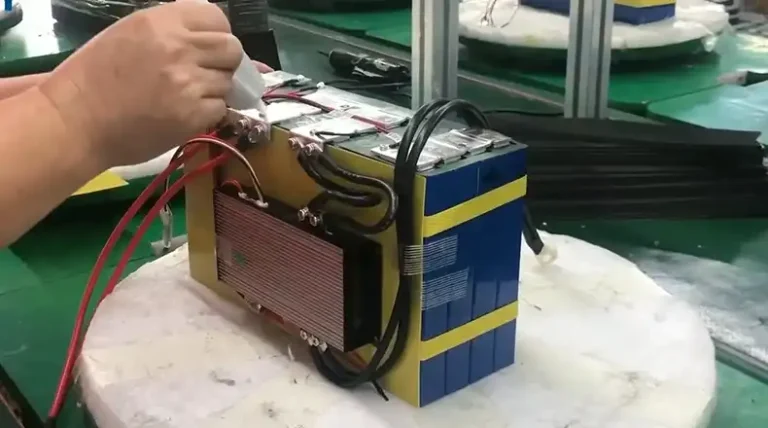
1. Lithium-Ion Batteries
- Efficiency: 90–95%
- Lifespan: 10–15 years
- Pros: Lightweight, high energy density, fast charging
- Cons: Higher initial cost
- Best For: Most U.S. homeowners looking for long-term performance
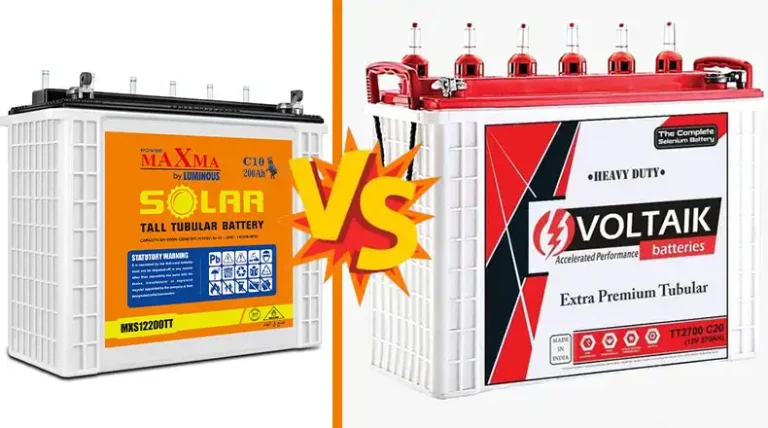
2. Lead-Acid Batteries
- Efficiency: 70–85%
- Lifespan: 3–7 years
- Pros: Low initial cost
- Cons: Heavy, lower depth of discharge, requires maintenance
- Best For: Budget-conscious installations or temporary backup
3. Flow Batteries
- Efficiency: 65–85%
- Lifespan: 10–15 years
- Pros: Long cycle life, scalable
- Cons: Expensive, larger footprint
- Best For: Off-grid homes with high energy storage needs
4. Saltwater Batteries
- Efficiency: 70–80%
- Pros: Eco-friendly, non-toxic
- Cons: Lower energy density, limited availability in the U.S.
- Best For: Environmentally conscious homeowners
Sizing a Solar Battery Backup System
Choosing the right battery size is critical. Here’s how to calculate:
Step 1: Determine Essential Energy Usage
- Identify appliances to power during an outage (fridge, lights, Wi-Fi, sump pump).
- Add up total watt-hours per day.
Step 2: Account for Solar Production
- A solar system generates a certain amount of kWh per day.
- Battery should store at least 50–100% of your average daily usage for reliability.
Step 3: Consider Depth of Discharge (DoD)
- Most batteries cannot use 100% of their capacity without reducing lifespan.
- Example: A 10 kWh battery with 90% DoD can provide 9 kWh usable energy.
Step 4: Estimate Number of Batteries
- Divide total daily energy need by usable battery capacity.
Example Calculation:
- Essential usage: 6 kWh/day
- Battery usable capacity: 5 kWh → Need 2 batteries for full coverage
Installation Process
Installing a solar battery backup typically requires professional help:
- Site Assessment: Evaluate roof, solar system compatibility, and battery placement.
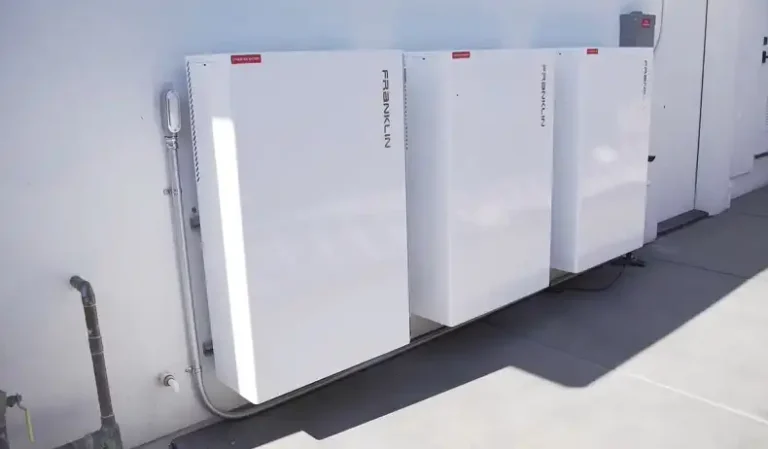
- Mounting the Battery: Usually installed in garage, utility room, or outside in weatherproof enclosure.
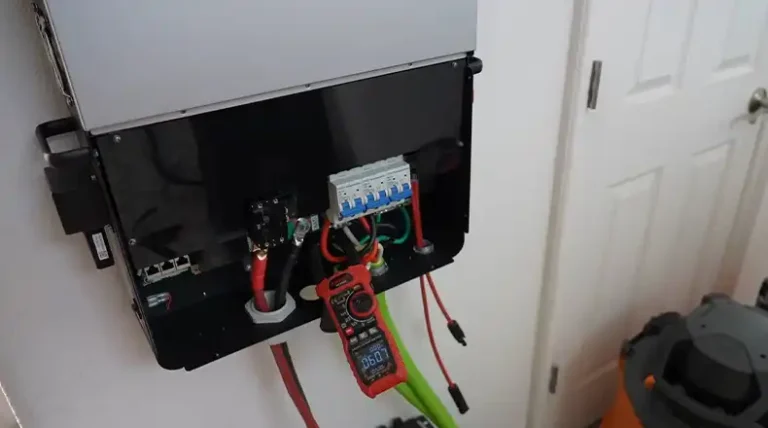
- Electrical Connections: Connect battery to inverter and solar panels.
- Testing and Monitoring: Ensure battery charges/discharges correctly and monitor system performance.
Tip: Most U.S. installers recommend NABCEP-certified installers for safety and warranty purposes.
Cost of Solar Battery Backups
The cost depends on battery type, capacity, and brand:
| Battery Type | Average Cost (USD) | Lifespan |
|---|---|---|
| Lithium-Ion | $7,000–$12,000 | 10–15 years |
| Lead-Acid | $2,000–$5,000 | 3–7 years |
| Flow Battery | $10,000–$15,000 | 10–15 years |
| Saltwater | $5,000–$10,000 | 10–15 years |
Additional Costs:
- Professional installation: $500–$1,500
- Permit fees and electrical upgrades: $200–$500
Return on Investment (ROI):
- Energy savings: $500–$1,500/year depending on usage and utility rates
- Payback period: 7–12 years for lithium-ion batteries
Government Incentives and Rebates
U.S. homeowners can offset costs with:
- Federal Solar Tax Credit (ITC): 30% of battery cost if paired with a solar system.
- State & Local Incentives: Many states provide rebates for battery installations (California, New York, Texas).
- Net Metering Credits: Sell excess solar energy back to the grid in some areas.
Maintenance Tips for Solar Batteries
- Keep batteries in a cool, dry place to prolong lifespan.
- Monitor charge cycles with manufacturer apps or inverters.
- Inspect connections and ensure clean terminals.
- Avoid deep discharges frequently to extend battery life.
- Replace batteries at end of lifespan to maintain energy reliability.
Pros and Cons of Solar Battery Backups
Pros
- Continuous power during outages
- Reduce reliance on the grid
- Lower electricity bills through peak shifting
- Environmentally friendly
Cons
- High upfront cost
- Limited lifespan (batteries eventually need replacement)
- Space requirements for battery storage
- Efficiency loss over time
Best Solar Battery Brands in the USA
- Tesla Powerwall – High capacity, sleek design, easy integration with Tesla solar
- LG Chem RESU – Reliable lithium-ion, compact design
- Generac PWRcell – Scalable, hybrid inverters
- Enphase Encharge – Modular, ideal for small homes
- Sonnen Eco – Eco-friendly, long-lasting lithium battery
Conclusion
Adding a solar battery backup to your solar system transforms your small home into a resilient, energy-independent, and cost-efficient property.
Whether your goal is power reliability during outages, reducing utility bills, or supporting a green lifestyle, a solar battery system is a smart investment.
With proper sizing, installation, and maintenance, U.S. homeowners can enjoy the full benefits of solar energy all day, every day, no matter the weather or grid availability.