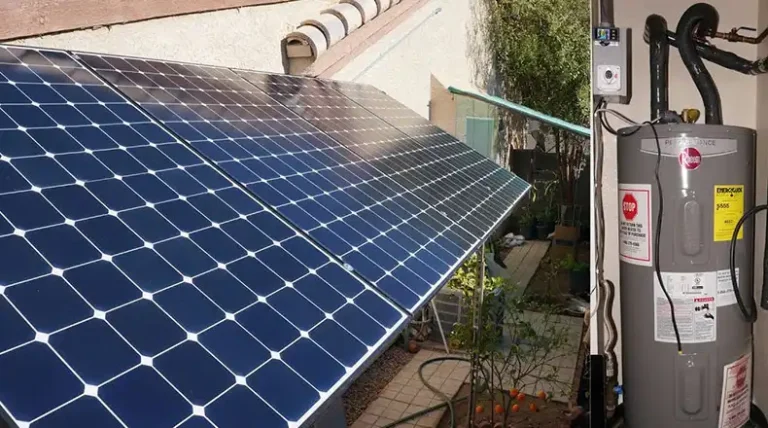
Best Solar Panel Systems for Small Homes in the USA (2026 Guide)
With rising electricity costs and increasing concern for the environment, solar panels for small homes have become a popular solution in the United States. Small home owners, apartment dwellers, and tiny house enthusiasts are turning to solar energy to reduce utility bills, increase energy independence, and support a sustainable lifestyle.
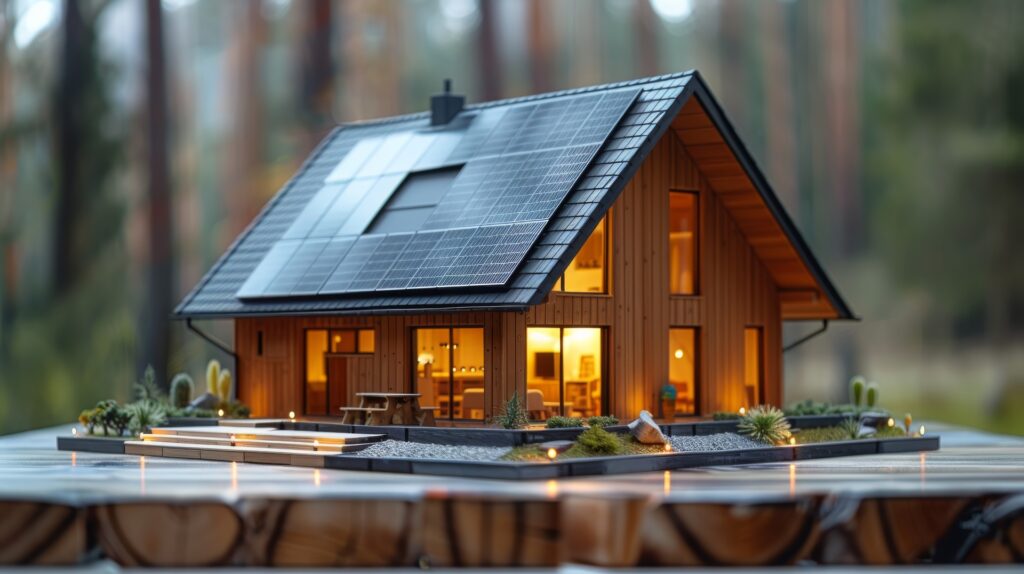
In this guide, we will cover everything you need to know about installing solar panels on small homes, including cost, installation, types of panels, energy savings, government incentives, and maintenance tips.
Why Solar Panels Are Ideal for Small Homes
Small homes have a unique advantage when it comes to solar energy:
- Lower energy consumption: Smaller spaces require less electricity for lighting, heating, and cooling, meaning you can meet most energy needs with fewer panels.
- Compact roof space: Small homes often have roofs that are easier to install solar panels on without major structural changes.
- Cost efficiency: Fewer panels mean lower installation costs while still providing substantial energy savings.
How Solar Panels Work
Solar panels, also known as photovoltaic (PV) panels, convert sunlight into electricity. The system typically includes:
- Solar panels: Capture sunlight and convert it into DC (direct current) electricity.
- Inverter: Converts DC electricity into AC (alternating current) for home use.
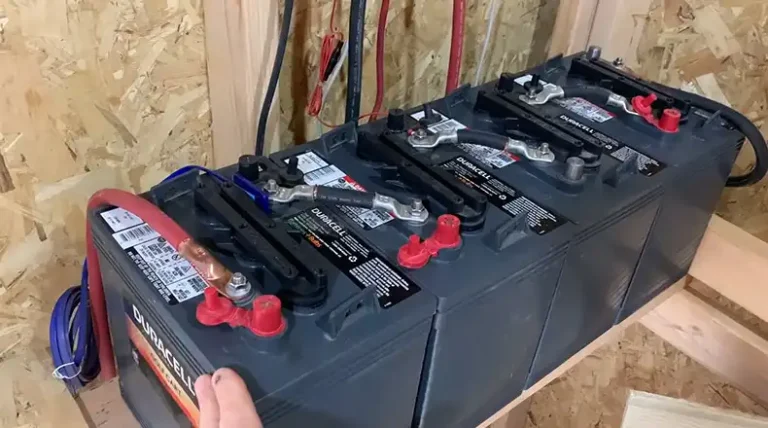
- Battery storage (optional): Stores excess energy for use when sunlight is unavailable.
- Mounting hardware: Secures panels to your roof.
Example: A small home with a 1,000–1,500 square foot roof can typically install 3–6 kW of solar panels, covering 50–70% of the home’s energy usage, depending on energy efficiency and sunlight exposure.
Types of Solar Panels for Small Homes
Choosing the right solar panel is critical for small homes. Here are the main options:
1. Monocrystalline Solar Panels
- Efficiency: 18–22%
- Appearance: Black, sleek design
- Pros: High efficiency, compact size, long lifespan
- Cons: Higher cost
Monocrystalline panels are ideal for small rooftops because they generate more power per square foot, maximizing energy output in limited space.
2. Polycrystalline Solar Panels
- Efficiency: 15–17%
- Appearance: Blue, speckled design
- Pros: Affordable, durable
- Cons: Slightly lower efficiency
Polycrystalline panels are a good budget-friendly option if roof space is sufficient.
3. Thin-Film Solar Panels
- Efficiency: 10–12%
- Appearance: Flexible and lightweight
- Pros: Lightweight, flexible for unconventional roofs
- Cons: Less efficient, may require more panels
Thin-film panels can be ideal for tiny houses or metal roofs, where flexibility is needed.
Calculating Solar Panel Needs for Small Homes
To determine how many panels you need, follow these steps:
- Calculate monthly energy consumption
Look at your electricity bill. A small home in the U.S. typically consumes 500–1,200 kWh per month. - Estimate sunlight hours
Average sunlight hours per day vary by location. For example:- California → 5–6 hours/day
- New York → 3–4 hours/day
- Florida → 5–5.5 hours/day
- Determine panel output
A 300-watt solar panel produces approximately 1.2 kWh per day under 4 hours of sunlight. Divide your monthly consumption by daily panel output to estimate the number of panels needed.
Example:
- Monthly consumption: 900 kWh
- Daily consumption: 30 kWh
- Panel output: 1.2 kWh/day → 25 panels needed (300W each)
For small homes, combining high-efficiency monocrystalline panels can reduce the total number of panels required.
Solar Panel Installation for Small Homes
1. Roof Assessment
- Check roof orientation (south-facing roofs work best in the U.S.)
- Evaluate roof condition – older roofs may need repairs before installation
2. Choosing an Installer
- Research certified installers (NABCEP certification recommended)
- Get multiple quotes
- Check customer reviews
3. Installation Process
- Mount brackets on the roof
- Attach solar panels
- Connect wiring to the inverter
- Inspect and test the system
Tip: DIY installation is possible for small homes with kits, but professional installation is recommended for safety and warranty protection.
Financial Considerations
1. Cost of Solar Panels
- Small home installation (3–6 kW): $8,000–$18,000 before incentives
- Monocrystalline panels are more expensive but save more energy in the long run
2. Federal and State Incentives
- Federal Solar Tax Credit (ITC): 30% of installation cost
- State-specific rebates and incentives (e.g., California’s SGIP, New York’s NY-Sun)
- Net metering programs can allow you to sell excess energy back to the grid
3. Energy Savings
- Small U.S. homes can save $500–$1,500 per year depending on electricity rates
- ROI typically occurs in 5–8 years
Maintenance Tips for Solar Panels
- Regular cleaning: Dust and debris reduce efficiency.
- Check inverter and wiring: Ensure proper operation.
- Trim nearby trees: Prevent shading that reduces output.
- Monitor system performance: Many inverters provide apps for real-time monitoring.
Maintenance is minimal, and most solar panels last 25–30 years with proper care.
Benefits of Solar Panels for Small Homes
- Lower electricity bills
- Environmental benefits: Reduce carbon footprint
- Energy independence
- Increased home value
- Eligibility for government incentives
Challenges and Considerations
- Initial upfront cost may be high
- Limited roof space may require higher efficiency panels
- Shading from trees or neighboring buildings can reduce output
- Battery storage adds extra cost if off-grid power is desired
Conclusion
Installing solar panels on small homes in the USA is a smart investment. With proper planning, high-efficiency panels, and consideration of your energy needs, small home owners can enjoy lower energy bills, environmental benefits, and increased property value.
Whether you’re a tiny house owner, urban apartment dweller, or suburban homeowner, solar panels are a sustainable solution to harness clean energy and future-proof your home.