
7 Best Low Cost Generator Picks for Any Budget
Whether you’re prepping for an unexpected power outage, camping under the stars, or need a reliable backup for your workshop, finding a low‑cost generator that doesn’t sacrifice performance is essential. A cheap unit can quickly turn into a costly disappointment if it stalls, runs noisy, or burns fuel faster than promised. That’s why we’ve dug through the market, tested real‑world usage, and narrowed the field to the seven most dependable generators that deliver solid power without breaking the bank. In the sections that follow, you’ll discover each model’s key strengths, drawbacks, and the ideal scenarios for which they were built, helping you make an informed decision.
7 Best Low‑Cost Generators for Every Budget
We’ve tested dozens, and these seven affordable generators stand out for reliability, power output, and unbeatable value.
7. WEN DF450i Portable Inverter Generator
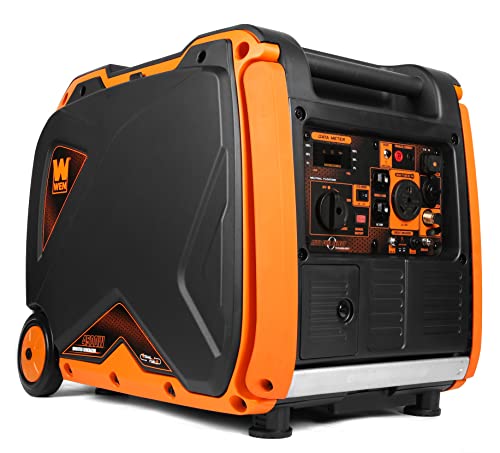
The WEN DF450i is a versatile, dual‑fuel inverter generator built for quiet, reliable power wherever you need it—whether on a campsite, at a job site, or during an emergency. Its compact 212 cc engine meets EPA III and CARB standards, delivering whisper‑quiet operation at just 58 dBA (quarter load, 22 ft). Switch seamlessly between gasoline and propane, and let the Auto Fuel Selection Technology automatically choose the best fuel to extend run time. Clean, stable electricity protects sensitive electronics, while the integrated fuel‑shut‑off valve makes maintenance quick and safe. Wheels, a sturdy carry handle, and a digital load‑and‑fuel display round out a user‑friendly design.
Key Features
- Dual‑fuel (gasoline 4500 W surge / 3500 W rated, propane 4500 W surge / 3150 W rated)
- Auto Fuel Selection Technology for automatic propane‑to‑gasoline switch
- EPA III & CARB‑compliant 212 cc engine – 58 dBA at quarter load
- Clean power output safe for smartphones, tablets, laptops, etc.
- Fuel shut‑off valve, digital load/fuel readout, wheels & carry handle
- Outlets: 2 × 120 V 3‑prong, 1 × RV‑ready 120 V NEMA TT‑30R, 12 V DC, 5 V USB
Pros
- Ultra‑quiet performance lets you run it overnight or in close proximity to sleeping areas.
- Dual‑fuel flexibility and automatic fuel switching maximize runtime and convenience.
- Multiple outlet options (including RV‑ready and USB) keep all devices charged without extra adapters.
Cons
- Propane rated watts drop slightly (3150 W) compared to gasoline, which may limit heavy‑load use on propane.
- The digital display, while useful, adds a small learning curve for first‑time users.
6. Brute Power 4000 Inverter Generator

The Power Equipment 4000 Watt Inverter Generator delivers reliable, portable power when you need it most. Its 208 cc 4‑stroke OHV engine produces a solid 4000 W peak (3200 W continuous) output, making it ideal for emergency home backup, RV trips, or campsite cooking. A 2‑gallon fuel tank with an onboard gauge provides up to 14 hours of runtime on a single fill, while the low‑noise design keeps sound levels at just 72 dBA from 23 ft—quiet enough not to disturb your night’s rest. The open‑frame, 56‑lb chassis is compact and easy to lug, and the blue finish adds a splash of style to any outdoor setting. Versatile connectivity is built‑in: a 12 V DC port, two 120 V AC outlets, and a 30 A RV plug let you power everything from smartphones to refrigerators. All units are factory‑tested; a faint gasoline smell may be present on arrival, but it dissipates quickly.
Pros
- High power in a lightweight package – 4000 W peak output at only 56 lb.
- Long runtime & fuel gauge – Up to 14 hours on a 2‑gal tank, so you stay powered longer.
- Quiet operation – 72 dBA ensures peaceful camping or indoor use.
Cons
- Limited fuel capacity – 2 gal tank means you’ll need to refuel for extended off‑grid projects.
- Open‑frame design – Provides easy access but offers less protection from harsh weather compared to fully enclosed models.
5. Westinghouse WGen4400 Inverter Generator

The 4400 Watt Open‑Frame Inverter Generator packs a 223 cc 4‑stroke OHV engine into a compact 19″ × 19″ × 15″, 56‑lb chassis, delivering 4400 W peak / 3400 W running clean 120 V power. Its pure sine‑wave output (<3 % THD) protects sensitive electronics—perfect for CPAP machines, laptops, and medical devices. With a 2‑gal fuel tank you’ll get up to 14 hours of runtime at 25 % load, while Eco‑Mode automatically throttles the engine for fuel savings, quieter operation (72 dB at 50 % load), and longer engine life. The generator is EPA‑compliant and features low‑oil shutdown, overload protection, and a high‑compression manual recoil start that works in cold weather.
Designed for versatility, it offers 2 × 120 V household outlets, 1 × 30‑A RV outlet, and 1 × 12 V DC outlet, allowing you to power an RV air‑conditioner, refrigerator, sump pump, or power tools simultaneously. Its lightweight, low‑profile design makes it easy to transport, store in an RV, or carry to a job site.
Pros
- High power in a light package – runs 15 k BTU AC units and power tools without tripping breakers.
- Fuel‑efficient & quiet – Eco‑Mode and 72 dB noise level keep fuel costs low and neighbors happy.
- Clean, safe power – pure sine wave protects electronics and medical equipment.
Cons
- Fuel tank size limits runtime for heavy loads; a larger tank or extra fuel may be needed for extended use.
- High‑altitude kit sold separately, so performance may drop at elevations above 5,000 ft without the add‑on.
4. Proyama 4000W Portable Inverter Generator.

The PROYAMA 4000W Portable Gas Inverter Generator delivers clean, reliable power in a compact, lightweight package. With a peak output of 4 kW and a steady 3.2 kW running capacity, it can keep essential appliances, RV electronics, and outdoor tools alive during outages or off‑grid adventures. Its ECO mode stretches the fuel to roughly 5 hours at 50 % load, while the built‑in CO sensor and digital control center continuously monitor safety‑critical conditions—power, carbon monoxide, overload, and low‑oil—triggering automatic shut‑off when needed.
Designed for quiet operation, the inverter runs at just 62 dB (no‑load, measured 23 ft away), making it ideal for nighttime camping or residential use without disturbing the peace. A sturdy weather‑proof cover protects the unit from the elements, and a bright LED light provides hands‑free illumination for dark work sites or emergency situations. Weighing only 47 lb and equipped with a convenient carry handle, the generator is easy to transport and set up wherever power is required.
Pros
- Ultra‑quiet 62 dB operation keeps noise to a minimum for indoor or campsite use.
- Safety‑focused digital interface with CO sensor, overload, and low‑oil alerts plus automatic shut‑off.
- Portable and lightweight (47 lb) with a carry handle and weather‑proof cover for easy mobility.
Cons
- Runtime limited to ~5 hours at 50 % load in ECO mode; longer tasks may require additional fuel.
- Maximum output of 4 kW may not support very high‑demand appliances simultaneously.
3. ALL-Power 3300W Quiet Inverter Generator (Model: 2020001)

The ALL‑Power 2020001 delivers commercial‑grade performance in a surprisingly portable package. With a rated 3000 W and a peak output of 3300 W, it powers electric drills, circular saws, air compressors, and even 2–3 sets of office equipment—perfect for small‑business job sites or home backup. Weighing only 19.5 kg, it’s far lighter than typical 3000 W generators that tip the scales at 25 kg or more, making it easy to lift, load into a work truck, or carry up stairs. Its enclosed mute design keeps sound down to 67.6 dB at 7 m, so you can run it indoors or near residential areas without disturbing neighbors. The 6.5 L fuel tank paired with a 143 cc engine provides up to 8 hours of runtime at 50 % load, minimizing refuel stops and boosting productivity. Built with reinforced metal housing and high‑temperature‑resistant components, the unit stands up to daily wear, impact, and rust on construction sites or outdoor projects.
Pros
- High power in a lightweight frame – easy transport without sacrificing output.
- Quiet operation – 67.6 dB allows use in noise‑sensitive environments.
- Long runtime – 8‑hour continuous use at half load reduces downtime.
Cons
- No built‑in electric start; requires manual pull‑start, which may be less convenient for some users.
- The 6.5 L tank, while sufficient for 8 hours, may need refilling for extended full‑load tasks.
2. Westinghouse WGen11000 Portable Inverter Generator

The Westinghouse iGen11000TFc is a tri‑fuel powerhouse that blends the clean, efficient operation of an inverter with the heavy‑duty output needed for whole‑home backup. Whether you run on gasoline (9 kW running / 11 kW peak), propane (8.1 kW / 10 kW), or natural gas (7.2 kW / 8.8 kW), the unit automatically adjusts engine speed to match demand, slashing fuel consumption and noise. A robust 457 cc OHV engine, cast‑iron sleeve, and up‑to‑19‑hour runtime on a 7.9‑gal tank keep you powered longer, while a built‑in low‑oil shutdown and carbon‑monoxide sensor protect both equipment and users. The digital LED display provides real‑time fuel level, power output, remaining run time, voltage, and total hours, and a remote‑start key fob lets you fire it up from a distance. Outlets include a 120/240 V 14‑50R 50 A plug, a 120 V/240 V L14‑30R 30 A twist‑lock, and a GFCI‑protected 120 V 20 A duplex, all ready for transfer switches or interlock kits—ideal for home or RV backup.
Pros
- Tri‑fuel flexibility lets you choose the cheapest or most convenient fuel source.
- Inverter technology delivers clean, low‑THD power safe for sensitive electronics while cutting fuel use and noise.
- Backup‑ready outlets (50 A and 30 A) are transfer‑switch/interlock ready, simplifying whole‑home integration.
Cons
- Weight and size are larger than typical portable generators, making transport a bit more demanding.
- Peak power varies by fuel, so you must plan loads based on the fuel you intend to use.
1. Oxseryn Power Equipment 4400W Inverter Generator

The Oxseryn 4400‑Watt Inverter Generator delivers reliable, clean power in a compact, portable package. With a peak output of 4400 W and 3400 W continuous, it’s more than capable of keeping your RV appliances, essential home circuits, or emergency tools running smoothly. The open‑frame design houses a 2‑gallon fuel tank with an easy‑read gauge, and thanks to the ECO mode you can enjoy up to 14 hours of runtime at just 25 % load—perfect for long camping trips or extended outages. Noise is kept to a whisper, measuring under 72 dBA from 23 ft away, so you won’t disturb the campsite or neighbors. Multiple outlets give you flexibility: 2 × 120 V AC, 1 × 12 V DC, and an RV‑ready 30 A plug. Weighing only 56 lb, the generator is light enough to carry on a small dolly or shoulder strap, yet it’s built to pass rigorous factory testing (a faint fuel smell on arrival is normal and not a sign of prior use).
Pros
- High power in a lightweight frame – handles demanding loads while staying portable.
- Long, fuel‑efficient run time – ECO mode and fuel gauge extend usage without constant refueling.
- Quiet operation – under 72 dBA, ideal for night‑time or residential use.
Cons
- Limited fuel capacity – 2 gal tank may require frequent refills for full‑day heavy use.
- Open‑frame exposure – not suited for harsh weather without a protective cover.
Buying Guide
When selecting a low‑cost generator, prioritize the balance between price and reliable performance to ensure you have dependable power when needed. Key considerations include power output, fuel efficiency, durability, safety features, and real‑world user feedback.
- Power output: Pick a model that supplies 2,000–3,500 W, enough for essential home devices.
- Fuel efficiency: Choose gasoline or dual‑fuel units with low consumption to keep running costs down.
- Durability: Look for metal housings, solid frames, and a warranty that signals long‑term reliability.
- Safety and noise: Verify automatic shut‑off, spark arrestor, and a noise level under 65 dB for comfort.
- Reviews and support: Read recent user ratings and confirm accessible customer service or local service centers.
By weighing these factors, you can find a generator that delivers dependable power at an affordable price. Focusing on efficiency, durability, and verified user experiences helps avoid cheap disappointments and ensures peace of mind during outages.
Frequently Asked Questions
What factors should I consider when choosing a low‑cost generator?
- Power output: Match the wattage to the appliances you plan to run. A 2,000‑2,500 W unit covers most essential lights, phones, and a small fridge.
- Fuel type: Gasoline is cheapest and most common, but propane or dual‑fuel models add flexibility.
- Run time & fuel efficiency: Look for a generator that can run at least 8‑10 hours on a single tank at half load.
- Portability & size: A compact, wheel‑mounted design is easier to store and move.
- Safety features: Automatic low‑oil shutdown and a built‑in circuit breaker protect both the generator and your devices.
Which low‑cost generator offers the best value for home backup?
The Westinghouse WGen7500 (around $500‑$550) is a top pick for budget‑conscious buyers:
– 7,500 W peak / 6,000 W rated power—enough for critical home circuits.
– Electric start and a sturdy steel frame.
– Long‑run time (≈13 hrs at 50 % load) on a 6.6‑gal gasoline tank.
– Includes a built‑in inverter for clean, stable power suitable for sensitive electronics.
Overall, it balances price, power, and durability better than many higher‑priced competitors.
How can I keep a low‑cost generator running reliably?
- Regular oil changes: Replace oil after the first 20‑hours of use, then every 50‑100 hours or per the manual.
- Fuel maintenance: Use fresh gasoline with a fuel stabilizer; drain the tank if the generator will sit unused for more than a month.
- Air‑filter cleaning: Inspect and clean the filter every 25‑30 hours; replace it if it looks cracked or excessively dirty.
- Run‑in test: Start the generator weekly and let it run for 10‑15 minutes under load to keep the engine lubricated and the battery charged.
- Storage: Keep the unit in a dry, well‑ventilated area; cover it with a breathable tarp to protect against dust and moisture.
Following these simple steps will extend the life of even the most economical generator and ensure it’s ready when you need it.
Conclusion
Choosing a low‑cost generator is less about chasing the cheapest price tag and more about matching the unit’s capabilities to your real‑world needs. Prioritize models that deliver consistent power output, efficient fuel consumption, and manageable noise levels, especially if you’ll be using them in residential or outdoor settings. Durability and a solid warranty can offset initial savings, while portable designs simplify storage and transport. Finally, consider the reputation of the manufacturer and user reviews to gauge long‑term reliability. By weighing these factors, you can secure a budget‑friendly generator that reliably powers essential devices without compromising safety or performance.
